Ethics

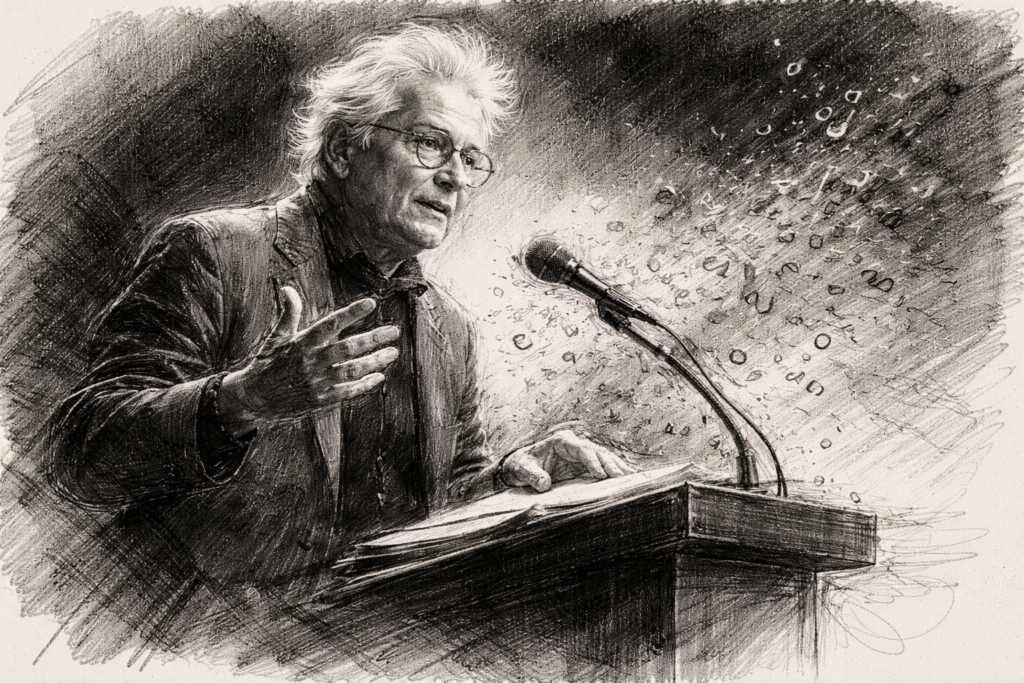
Philippa Foot Virtue, Reason and the Moral Life

Philippa Foot: Virtue, Reason and the Moral Life

Philippa Foot was a leading twentieth-century philosopher who revived virtue ethics and challenged prevailing views about moral judgement. Best known for the trolley problem and her theory of “natural goodness,” she argued that virtues are grounded in human nature and essential to human flourishing. Her work continues to shape contemporary debates in ethics, character, and moral psychology.

Mary Midgley: Understanding Human Nature Beyond Reductionism

Mary Midgley was a pioneering British philosopher who challenged reductionism, defended the importance of ethical and ecological understanding, and argued that human life requires multiple forms of explanation beyond science alone. Her work on animals, moral imagination and intellectual humility remains deeply relevant today.

Moses Mendelssohn in his study

Moses Mendelssohn: Reason, Religion, and the Birth of the Jewish Enlightenment

Moses Mendelssohn (1729–1786) shaped the Jewish Enlightenment by championing reason, religious tolerance, and cultural renewal. A key figure in European philosophy, he argued that Jewish identity and Enlightenment values could thrive together, laying foundations for modern debates on faith, citizenship, and pluralism.

Apollonius of Tyana

Apollonius of Tyana: The Philosopher Who Rivalled Christ

Apollonius of Tyana was a 1st-century philosopher, mystic, and traveller whose life blurred the lines between reason and revelation. Revered by some as a holy man and dismissed by others as a magician, he became a legendary rival to Christ and a symbol of philosophy’s mystical edge in the ancient world.

Al-Zahrawi (936–1013 CE): The Surgeon Who Made Medicine an Art

Al-Zahrawi (936–1013 CE): The Surgeon Who Made Medicine an Art

In the heart of 10th-century Córdoba, Al-Zahrawi transformed surgery from a craft into a science and from a science into an art. Known in the West as Albucasis, he combined precision with compassion, designing surgical instruments and ethical principles that shaped medicine for centuries. His great work, The Method of Medicine, bridged intellect and humanity — a reminder that the truest physician heals with both hands and heart.

Abu Bakr al-Razi: The Physician Who Healed the Mind

Abu Bakr al-Razi (864-935 AD): The Rational Healer of the Golden Age

Abu Bakr al-Razi was one of the most remarkable thinkers of the Islamic Golden Age — a physician, philosopher, and sceptic who believed reason was the truest expression of faith. In an era bound by tradition, he insisted that truth must be tested, not merely trusted. His pioneering work in medicine, ethics, and chemistry anticipated modern science by centuries. Guided by compassion and rationality in equal measure, Al-Razi sought to heal both the body and the soul — reminding us that wisdom begins where curiosity meets courage.

Protagoras (c. 490–420 BCE) was one of the most celebrated Sophists of ancient Greece.

Protagoras: Man as the Measure of All Things

Protagoras, one of ancient Greece’s most famous Sophists, boldly declared that “man is the measure of all things.” Unlike Plato or Aristotle, who sought universal truths, Protagoras argued that truth and morality depend on human perception. His agnostic stance on the gods and his reputation as a master of rhetoric made him both influential and controversial in democratic Athens. Seen by critics as dangerously relativistic, and by supporters as a practical guide to civic life, his ideas continue to resonate today in debates about cultural relativism, human rights, and the shifting nature of truth.

Dall·e A Philosophical And Artistic Representation Of Friedrich Schelling's Key Concepts. The Image Depicts A Harmonious Blend Of Nature And Philosophy

Friedrich Schelling: Exploring the Mind of Nature’s Philosopher

Discover Friedrich Wilhelm Joseph Schelling’s mind, challenging the mechanistic worldview. Explore his philosophy of nature, where a vibrant, evolving entity shapes society, psychology, and evolution.