

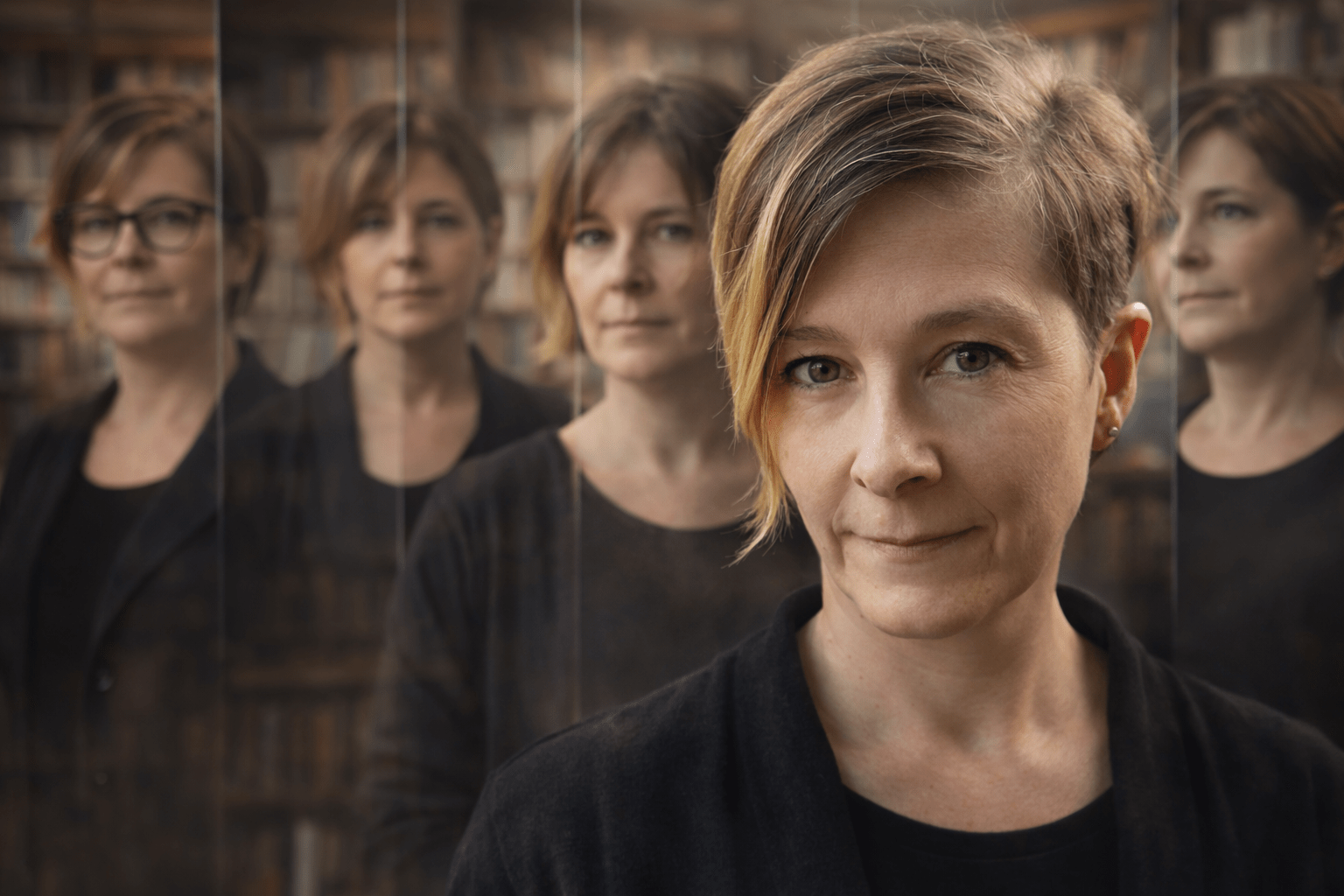
Cressida J. Heyes: The Self as a Project and a Battleground
Cressida J. Heyes argues that identity is shaped through social forces, personal discipline, and systems of power. Her work on the self, gender, and transformation challenges the idea of identity as something inner and fixed, and instead explores how we are continually trained to become ...

Jean Baudrillard: When Reality Stops Referring to Anything Real
Jean Baudrillard argued that modern society has replaced reality with simulations that no longer refer to anything real. This essay explores simulacra, hyperreality, media culture, and why Baudrillard’s ideas feel disturbingly accurate in the age of AI.

Philip K. Dick: Fiction, Reality, and the Fragility of the Human Mind
Philip K. Dick probed the instability of reality, identity, and agency through unsettling speculative stories. His novels remain influential across philosophy, psychology, and emerging AI ethics. This article explores how Dick’s recurring themes connect to his life and our contemporary technological anxieties.

Michel Foucault: Power, Knowledge, and the Invisible Forces That Shape Us
Michel Foucault was one of the most influential thinkers of the twentieth century, exploring how power, knowledge, and social institutions shape human behaviour. His ideas challenge traditional views of authority, truth, and identity, revealing the invisible systems that govern everyday life.

The Three Laws of Robotics
Isaac Asimov’s Three Laws of Robotics began as a literary device but grew into one of the most influential ideas in science fiction and AI ethics. This essay explores their origins, how they shaped his stories, their relevance to real-world robotics, and the deeper philosophical ...

Isaac Asimov: A Foundation for Future Thought
Isaac Asimov reshaped modern science fiction with his Robot stories, the Foundation saga, and hundreds of popular-science works that made complex ideas accessible. His optimistic philosophy, rational clarity, and iconic concepts like the Three Laws of Robotics continue to influence AI ethics, literature, and our ...

Aldous Huxley: Visionary of Human Possibility and Peril
Discover George Orwell's philosophical insights beyond Animal Farm and 1984, focusing on his critiques of imperialism and colonialism, emphasizing truth, freedom, and humanity.
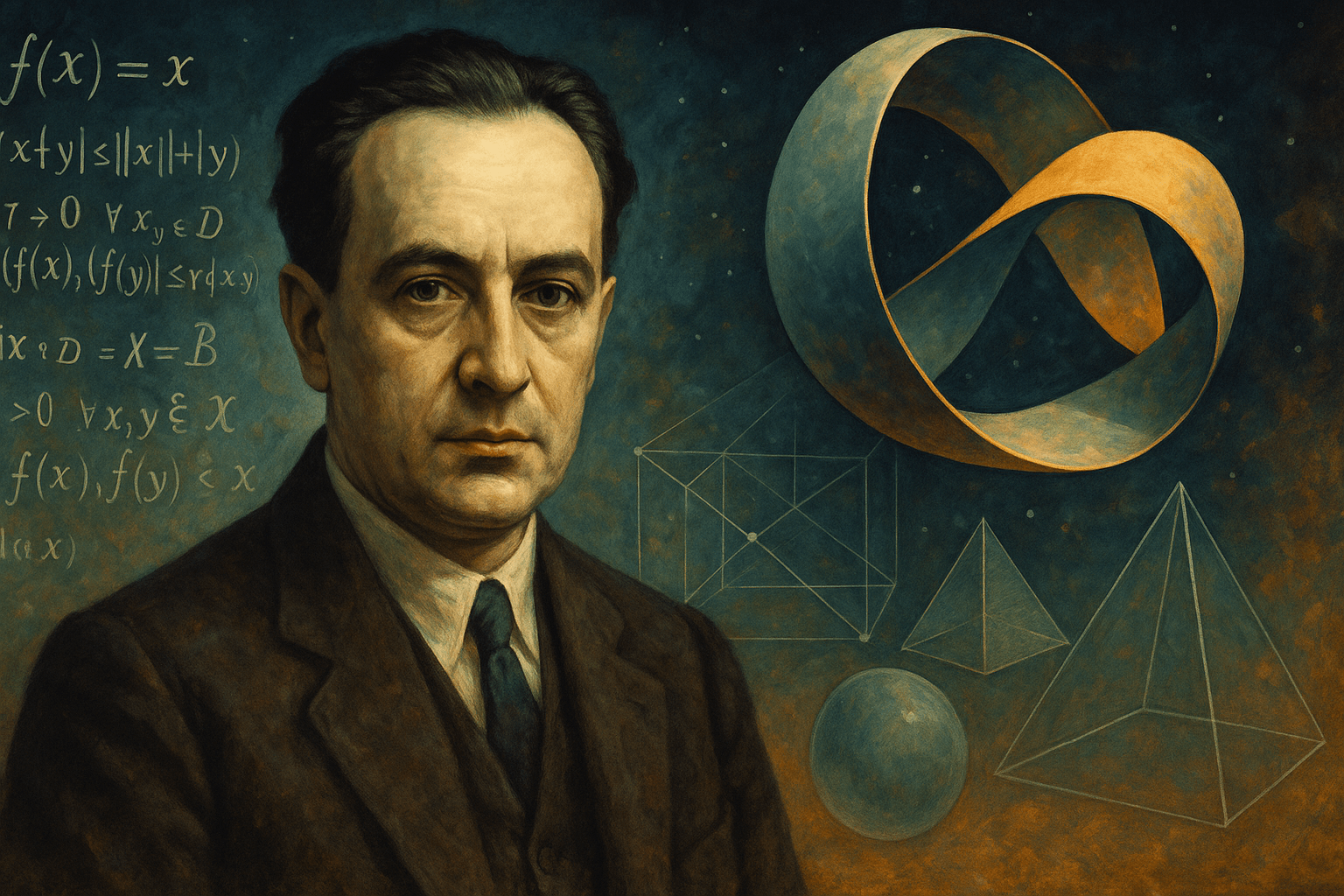
Stefan Banach: A Life in Infinite Dimensions
Michel de Montaigne turned self-reflection into an art form. His Essays explored what it means to be human — uncertain, curious, and contradictory — and in doing so, he practically invented the modern self.

Alfred Nobel: The Paradox of Progress and Peace
Alfred Nobel, the Swedish chemist and inventor of dynamite, created one of the most influential legacies in human history: the Nobel Prizes. His life reveals a striking paradox between invention, morality, and responsibility, offering a profound reflection on the nature of progress and the ethics ...

Philippa Foot: Virtue, Reason and the Moral Life
Philippa Foot was a leading twentieth-century philosopher who revived virtue ethics and challenged prevailing views about moral judgement. Best known for the trolley problem and her theory of “natural goodness,” she argued that virtues are grounded in human nature and essential to human flourishing. Her ...


